Yala National Park in July 2026: Wildlife, Weather, Leopards, and Safari Guide

July is one of the finest months to visit Yala National Park. The dry season is firmly established, leopard visibility in Block 1 is at its annual peak, weather conditions are reliable and comfortable, and the overall safari experience delivers exactly what Yala's global reputation promises. If you are planning a July visit or considering whether July is the right time for your trip, this guide covers everything you need to know about conditions, wildlife activity, booking requirements, and how to make the most of what is genuinely one of Yala's best months.
Why July is an Exceptional Month for Yala Safari
July sits toward the end of Yala's peak dry season window, and this positioning gives it a specific character that distinguishes it from other months in the February through July peak period.
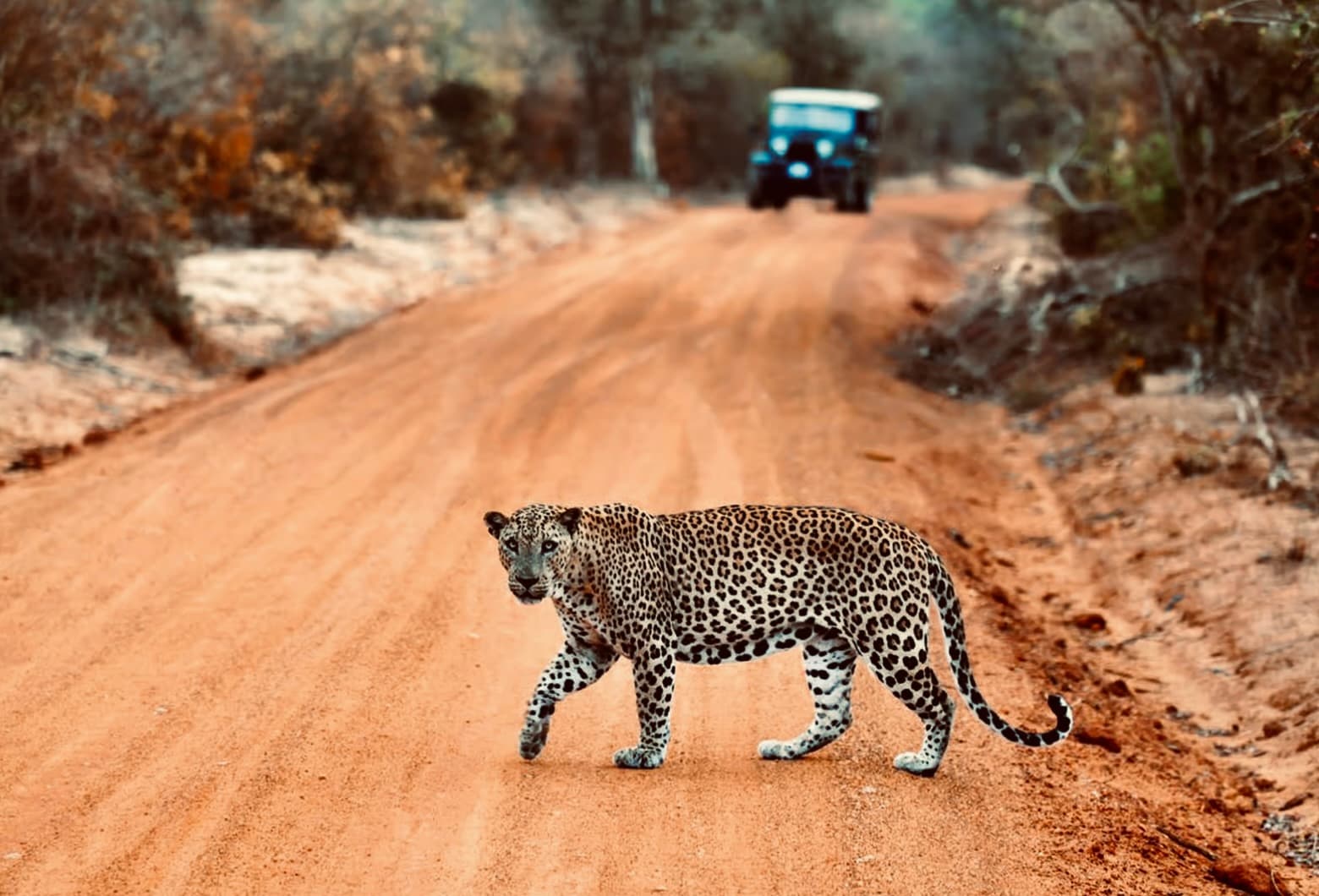
The vegetation in Block 1 has been drying since February and by July is at or near its annual minimum. Grasses are golden-brown and low, scrub bushes have shed much of their leaf cover, and the open terrain of Block 1 provides sightlines across distances that make leopard spotting from jeep tracks genuinely excellent. An animal that would be invisible in the dense wet season growth of October stands out clearly against the sparse July landscape.
Water sources throughout Block 1 have contracted significantly by July. The Menik River maintains flow but many smaller seasonal water bodies have dried completely. This concentration of available water creates predictable wildlife patterns that experienced naturalist guides exploit systematically — the same animals returning to the same water sources on broadly predictable schedules, creating encounter opportunities that are simply not available during wetter months when water is distributed everywhere.
The southwest monsoon that brings heavy rain to western Sri Lanka during July largely bypasses Yala's southeastern location. While western Sri Lanka is wet in July, Yala remains predominantly dry and sunny, creating a unique window where the island's most biodiverse safari destination is operating in ideal conditions while much of the country is under monsoon.

Leopard Conditions in July
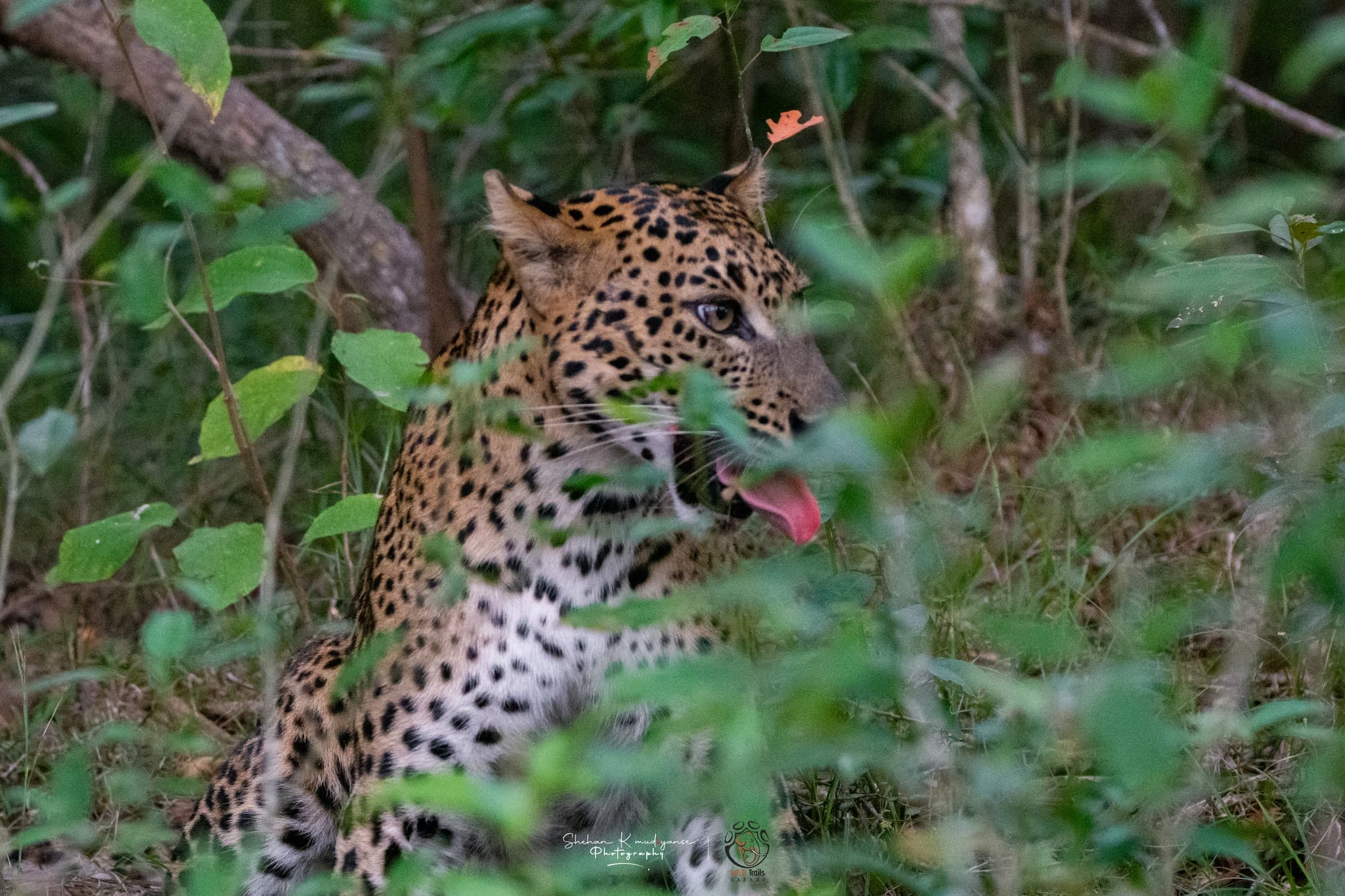
July delivers excellent leopard encounter probability inside Block 1, and experienced naturalist guides consider this one of the most consistently productive months of the year for sightings.
The individual leopards whose territories overlap with the accessible areas of Block 1 are well-known to guides who have tracked them through the preceding months of the dry season. By July these animals have established reliable patterns around the contracted water sources and hunting corridors, and guides who have been observing them since February know their movements with considerable precision. This accumulated seasonal knowledge reaches its most useful point in July, when months of observation combine with optimal visibility conditions.
Morning safaris entering Block 1 at 6:00 AM in July consistently produce leopard encounters during the first two hours of the drive. The specific rocky outcrops and Menik River sections where individual leopards have been encountered throughout the dry season remain productive, and guides position intelligently based on recent sighting patterns rather than driving hopefully.
What to realistically expect: On a well-guided July morning safari inside Block 1 with an experienced naturalist guide, leopard encounters are highly likely. Multiple sightings in a single drive are not unusual during productive periods. The key variable is guide quality — the difference between a naturalist who knows individual animals and their current territories versus a basic driver following the main tracks is dramatic in terms of encounter outcomes.

Named Leopards You Might Encounter in July
Yala's Block 1 leopards are known to experienced guides as individuals, recognized by their unique rosette patterns and tracked through their life histories. July safaris regularly encounter several well-known resident individuals whose territories cover the accessible areas of Block 1. Your naturalist guide will introduce you to the specific leopards currently active in the areas you visit, explaining their histories, relationships, and current behavioral patterns. This individual-level knowledge transforms a leopard encounter from simply seeing a beautiful animal into understanding a specific character in a living ecological drama.
Other Wildlife in July
While leopards are the headline attraction, July delivers outstanding encounters across all of Yala's major species.
Elephants
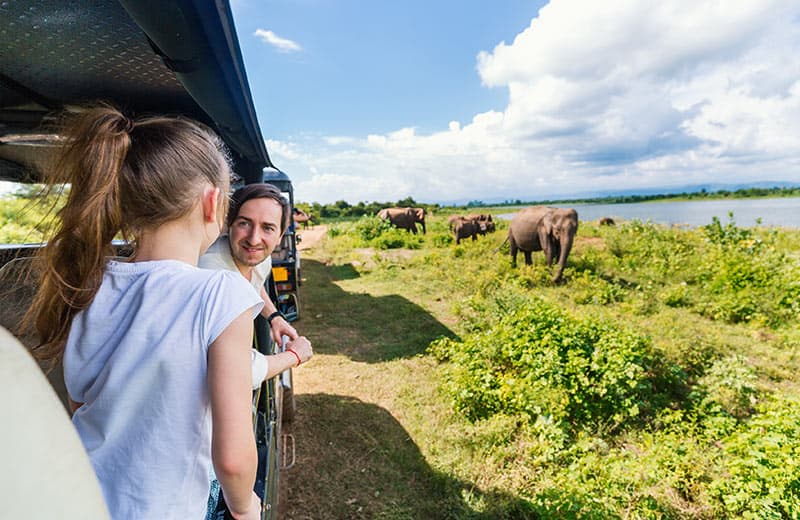
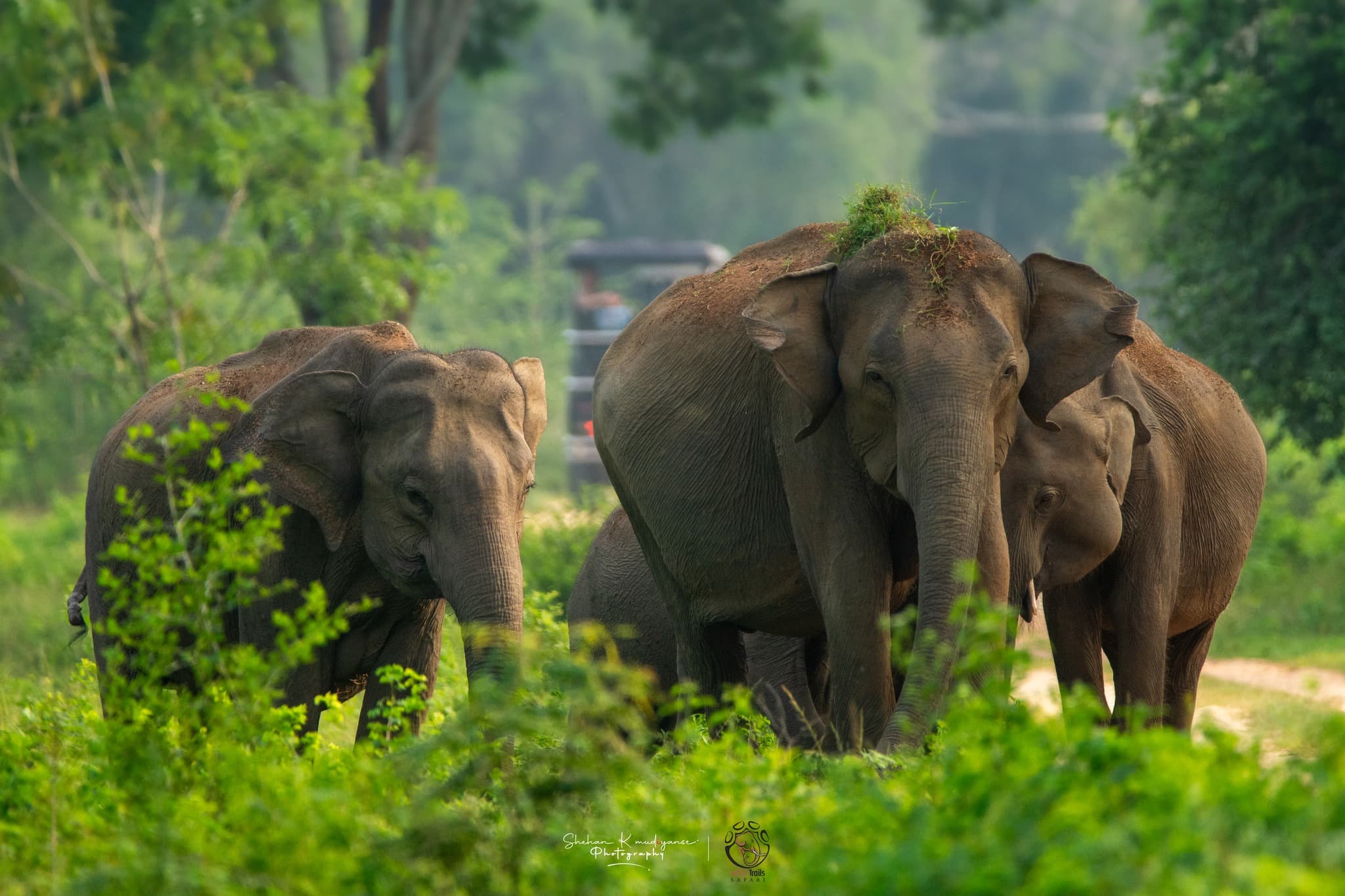
Elephant herds concentrate around the Menik River and remaining permanent water sources in July, creating predictable encounter patterns. The dry conditions mean herds visit water sources multiple times daily, and guides who know the timing of regular herd visits to specific river sections can position for encounters with remarkable reliability. Morning drives regularly encounter elephant herds actively drinking and bathing at Menik River locations, with calves of various ages playing in the shallows while adults drink and older juveniles practice adult behaviors.
The elephants of Block 1 in July are typically in good body condition after months of feeding on the dry season grass growth, and while they are beginning the lean period before the rains return, they remain healthy and active. Large bulls in particular are frequently encountered in July, moving between herd locations and establishing temporary associations with females.

Sloth Bears
July is a productive month for sloth bear encounters. The dry conditions concentrate these animals around reliable food sources including termite mounds, fruiting trees, and beehives in rocky areas. Early morning drives — particularly the first thirty minutes after gate opening — consistently produce sloth bear sightings in rocky scrubland areas where guides know the animals' current foraging patterns.
Sloth bear encounters in July have a particular character: the animals are focused and purposeful in their early morning foraging before the heat forces them to shade. Watching a sloth bear tearing open a termite mound with its powerful claws and vacuuming up the contents with its specialized lips is one of Yala's most distinctive and entertaining wildlife encounters, and July morning drives produce this behavior regularly.
Mugger Crocodiles
The reduced water levels of July expose extensive mudbanks along the Menik River and around remaining pools throughout Block 1. Mugger crocodiles take full advantage, basking in groups on these exposed banks through the morning hours. July crocodile sightings are characteristically spectacular because low water levels concentrate multiple individuals in small areas — ten or more crocodiles visible simultaneously on a single riverbank is entirely normal.
The Menik River sections where tracks run close to the bank provide excellent viewing of these congregations, and morning light on a group of basking crocodiles creates outstanding photography opportunities. Cattle egrets and other waterbirds perched on crocodile backs add to the visual spectacle.
Water Buffalo
Large buffalo herds are active throughout Block 1 in July, moving between grazing areas and water sources in the cooler morning and late afternoon hours. The dominant bulls of July herds are impressive animals, their massive curved horns and powerful builds creating a raw presence that surprises visitors who encounter them at close range for the first time. Buffalo dust bathing in the late afternoon, wallowing in remaining muddy waterholes, and sparring between rival bulls are all behaviors encountered regularly on July safaris.

Bird Life in July
July bird diversity at Yala is good but below the peak levels of the November through February migratory season. The resident bird community is fully active, and species including the Sri Lanka junglefowl, Sri Lanka grey hornbill, crested serpent eagle, white-bellied sea eagle, Indian roller, and a wide variety of waterbirds at Palatupana Lagoon are reliably encountered.
Palatupana Lagoon in July still holds a resident population of waterbirds including painted storks, yellow-billed storks, and various heron and egret species, though the extraordinary flamingo congregations of the migratory season are absent. For visitors whose primary interest is birdwatching diversity, November through February is significantly superior. For visitors whose primary interest is mammals with birds as a valued secondary, July's resident bird community adds genuine richness to the safari experience.
Weather Conditions in July
July weather at Yala is among the most reliably pleasant of the year. The southwest monsoon that dominates the western coast of Sri Lanka has little effect on Yala's southeastern location, creating a paradox where July is simultaneously one of the island's wetter months in general terms but one of the driest and sunniest months specifically at Yala.
Temperature: Daytime highs range from 28°C to 33°C (82°F to 91°F). This is warm but significantly more comfortable than the peak heat of April and May when temperatures regularly exceed 35°C. The coastal influence from Yala's proximity to the Indian Ocean moderates temperatures compared to inland dry zone areas, making the physical experience of an open vehicle safari genuinely pleasant throughout the morning and manageable through the afternoon.
Rainfall: Minimal. July is one of Yala's driest months. Occasional brief afternoon showers occur but multi-day rain events are extremely rare. Most July days are entirely dry with clear skies throughout.
Humidity: Moderate. Lower than the wet season months but higher than the peak dry season months of March and April. The humidity in July feels comfortable rather than oppressive for most visitors.
Wind: Light coastal breezes from the Indian Ocean provide welcome cooling on warm afternoons. These breezes are particularly pleasant on afternoon safaris when they reduce the felt temperature significantly.

Photography Conditions in July
July is an outstanding month for wildlife photography at Yala, combining excellent subject availability with very good light quality and reliable weather.
Light Quality
July light at Yala has a specific character shaped by the dry atmosphere and slightly lower sun angle compared to the peak summer months. The morning golden hour from 6:00 to 7:00 AM produces warm, directional light that illuminates leopards and other subjects beautifully. The light is slightly cooler in tone than the deep amber of April and May but retains the warm quality that makes golden hour photography so compelling.
Afternoons from 4:30 PM onward deliver the warm backlit quality characteristic of Yala's late dry season. The low sun angle combined with the dust that hangs in the dry air creates a atmospheric haze around subjects in the distance that some photographers find particularly cinematic.
Subject Availability
The combination of dry season vegetation and concentrated wildlife around water sources means July photography subjects are consistently available and well-positioned for clear, unobstructed shots. Leopards on open rocky outcrops, elephant herds at the Menik River, crocodile congregations on exposed mudbanks, and active sloth bears in the early morning all represent July photography opportunities that are significantly more accessible than the equivalent subjects during wet season months.
Camera Settings for July
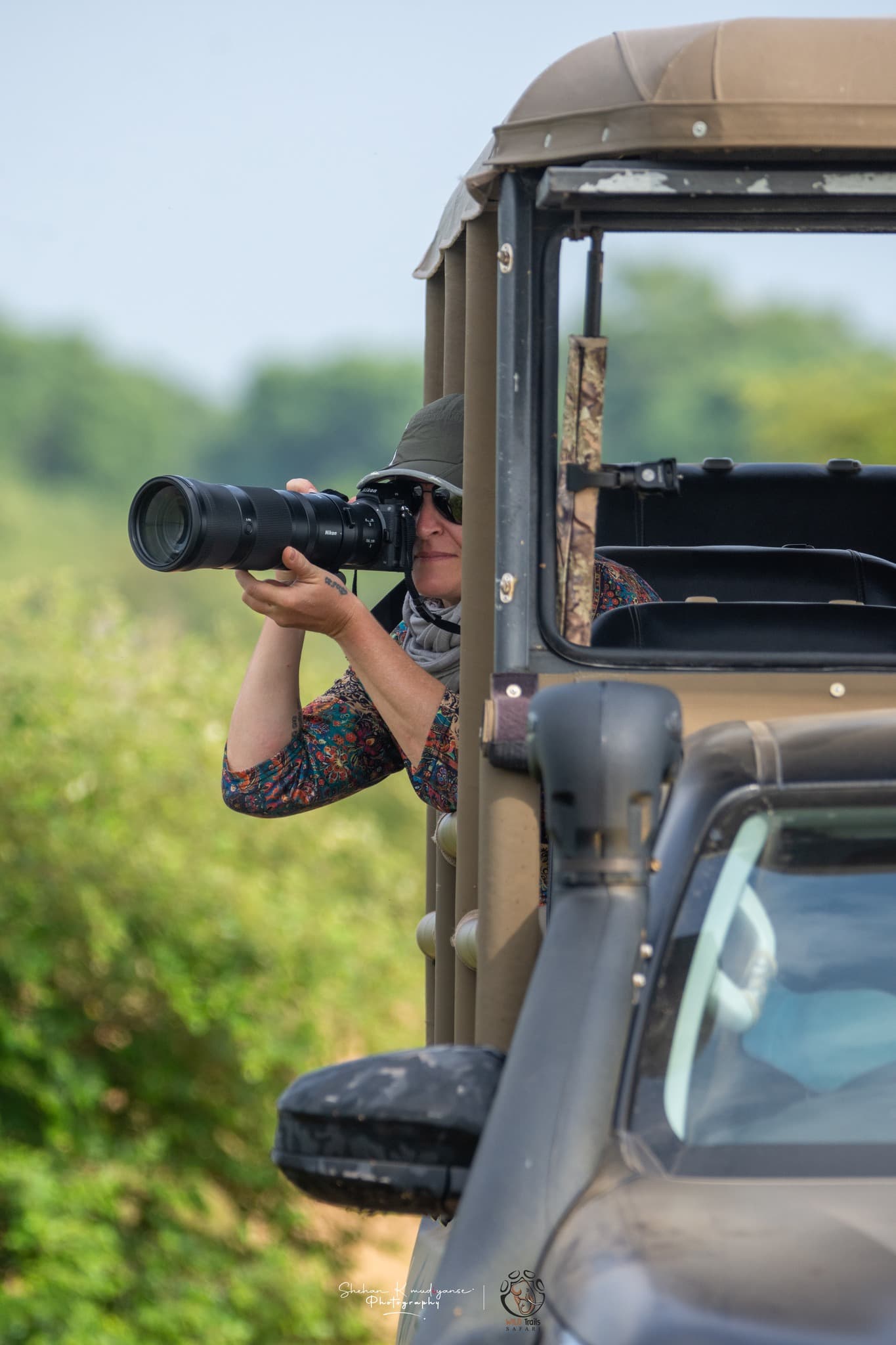
The predominantly sunny conditions of July allow fast shutter speeds throughout most of the day without requiring extremely high ISO settings. A camera set to aperture priority with auto-ISO maintaining a minimum shutter speed of 1/1000 second will handle the majority of July encounters without requiring constant manual adjustment. The exception is the first and last thirty minutes of light when lower illumination requires ISO to rise to maintain shutter speed targets.

Crowd Levels in July
July sees moderate visitor numbers at Yala that are significantly lower than the peak crowding of December through February school holiday and New Year period, but higher than the quieter shoulder months of May, June, and September.
Block 1 morning safaris in July will typically encounter other vehicles at popular sighting locations. When a leopard is found, radio networks bring multiple jeeps to the location, and gatherings of eight to fifteen vehicles at a single sighting are not unusual. This is a genuine consideration for visitors who strongly value solitude at wildlife encounters.
The good news is that Block 5/6 in July operates with dramatically lower vehicle numbers regardless of what is happening in Block 1. Visitors who prioritize exclusive encounters and are willing to trade some Block 1 leopard probability for Block 5/6 atmosphere will find July Block 5/6 conditions very favorable.
Experienced naturalist guides who work independently of the main radio crowd networks, positioning based on personal territorial knowledge rather than following reported sightings, consistently find encounters that are less crowded than the main convergence points even within Block 1.
Booking advice for July: Book your safari at least two to three weeks in advance. July falls within the dry season peak and morning safari slots with experienced naturalist guides fill quickly. Last-minute bookings are possible but risk finding your preferred time slot unavailable or being directed toward less experienced drivers. Contact us well before your travel dates to confirm availability and lock in your preferred session.

Block 1 vs Block 5/6 in July
Both blocks are operating well in July but with different characters that suit different visitor priorities.
Block 1 in July
Block 1 is at near-peak conditions in July. Vegetation is sparse, leopard encounters are highly likely with good guides, and all the major species are concentrated and accessible. The trade-off is moderate vehicle traffic at popular sighting locations, which affects the intimacy of encounters when multiple jeeps converge.
For first-time visitors and those prioritizing leopard encounter probability, Block 1 in July is the clear recommendation.
Block 5/6 in July
Block 5/6 in July offers a genuinely excellent alternative to Block 1 for visitors who have either already experienced Block 1 or who strongly prioritize exclusive atmosphere. The wildlife conditions are good — dry season vegetation is also sparse in Block 5/6, and the same concentration of animals around water sources applies across both zones.
The near-complete absence of other vehicles in Block 5/6 means that any leopard encounter you have is yours alone, without the convergence of competing jeeps that characterizes Block 1 sightings. Elephant herds in Block 5/6 in July behave with noticeably less vehicle wariness than their Block 1 counterparts, producing longer and more natural observations.
The Full Day Option in July
The full day safari covering Block 1 in the morning and Block 5/6 in the afternoon is arguably at its best in July. Both blocks are in peak dry season condition, the contrast between Block 1's active morning drive and Block 5/6's quiet afternoon wilderness is at maximum, and the day's two golden hour periods deliver excellent photography conditions in very different settings.

What to Pack for a July Yala Safari
Clothing
Lightweight neutral-colored clothing is appropriate for July's warm but manageable temperatures. A light long-sleeved shirt provides sun protection without overheating. Bring a very light jacket or fleece for the pre-dawn vehicle ride to Palatupana gate — July morning temperatures before sunrise can feel refreshingly cool in an open moving vehicle.
Closed shoes rather than sandals are more comfortable over the full duration of a morning or afternoon drive. Sunglasses are essential given the predominantly bright sunny conditions throughout most of July.
Sun Protection
July sun at Yala is intense, particularly from 8:00 AM to 4:00 PM. Apply SPF 50 or higher sunscreen to all exposed skin before departure and reapply after two hours regardless of cloud cover. A wide-brimmed hat provides valuable protection during the warmer middle section of morning drives.
Water and Snacks
Bring at least 1.5 liters of water per person for a half day safari and more for full day drives. July temperatures are warm enough that dehydration is a genuine concern during active safari sessions. Light snacks that do not crinkle loudly during quiet observation periods are appropriate for longer drives.
Camera Equipment
Fully charged batteries, formatted memory cards, lens cloths for the dust that increases in dry July conditions, and a blower brush for cleaning front elements before wiping. Block 1 dust in July is significant and requires regular equipment maintenance throughout the day.

Combining a July Yala Safari with Other Sri Lanka Destinations
July's dry conditions at Yala create an interesting opportunity for Sri Lanka itinerary planning because the southwest monsoon is simultaneously bringing rain to the island's western and southern coasts. Galle, Mirissa, and the south coast beaches that are ideal in December through April are rainy and rough-seas in July.
This means a July Sri Lanka itinerary works best when it focuses on the dry zone interior and east rather than the south coast. Yala pairs naturally in July with visits to the Cultural Triangle — Sigiriya, Polonnaruwa, and Anuradhapura — which are all in the north-central dry zone and experience their best weather during these months. The East Coast beaches at Arugam Bay and Passikudah are at their seasonal peak in July, experiencing the opposite monsoon pattern from the south coast.
A July Sri Lanka circuit might combine Colombo arrival, Cultural Triangle historical sites, Arugam Bay east coast surfing and beaches, and Yala wildlife safari before returning to Colombo — an itinerary that works with rather than against the July monsoon pattern and delivers excellent conditions at every destination.
What Happens After July at Yala
Understanding what follows July helps you appreciate the specific value of this month. August marks the beginning of Yala's wet season transition. Afternoon thunderstorms become more frequent, vegetation begins recovering rapidly, and leopard visibility in Block 1 starts declining as scrub density increases. By September the wet season is establishing, and by October Block 1 vegetation is at its densest, making leopard spotting significantly more challenging.
July represents the final month of Yala's peak dry season window and in some ways the most balanced month of the peak period — maximum leopard visibility combined with comfortable temperatures, without the extreme heat of April and May or the early wet season disruption of August. For visitors who have flexibility in their travel timing, July through the first half of July specifically offers peak-quality conditions with more manageable temperatures than the peak heat months.

Book Your July Yala Safari Now
July is one of Yala's most popular months among visitors who research the park thoroughly before booking. Morning safari slots with experienced naturalist guides fill two to three weeks in advance during peak July periods. If your travel dates include July and you have not yet confirmed your safari, booking as early as possible gives you the best choice of sessions, blocks, and guide assignments.
At Yala Jeep Safaris, our naturalist guides have tracked the current resident leopards of Block 1 and Block 5/6 through the entire preceding dry season by July. They know which individuals are active in which territories, where the current productive water sources are drawing elephants and other wildlife, and how to position for the best encounters given current conditions. This live, current knowledge is what separates a July safari that produces multiple leopard sightings from one that returns disappointed.
Every safari we operate is completely private to your group. Your guide's full attention, the vehicle positioned for your viewing and photography angles, and the pace set entirely around your interests and the wildlife encountered rather than a fixed route and schedule.
To book your July Yala safari or ask about current conditions and availability, contact us directly on WhatsApp at +94 70 557 6915 or visit yalajeepsafaris.com. We will confirm availability for your specific July dates and recommend the right session combination for the experience you are looking for.