Best Time to Visit Yala National Park: Complete Seasonal Safari Guide

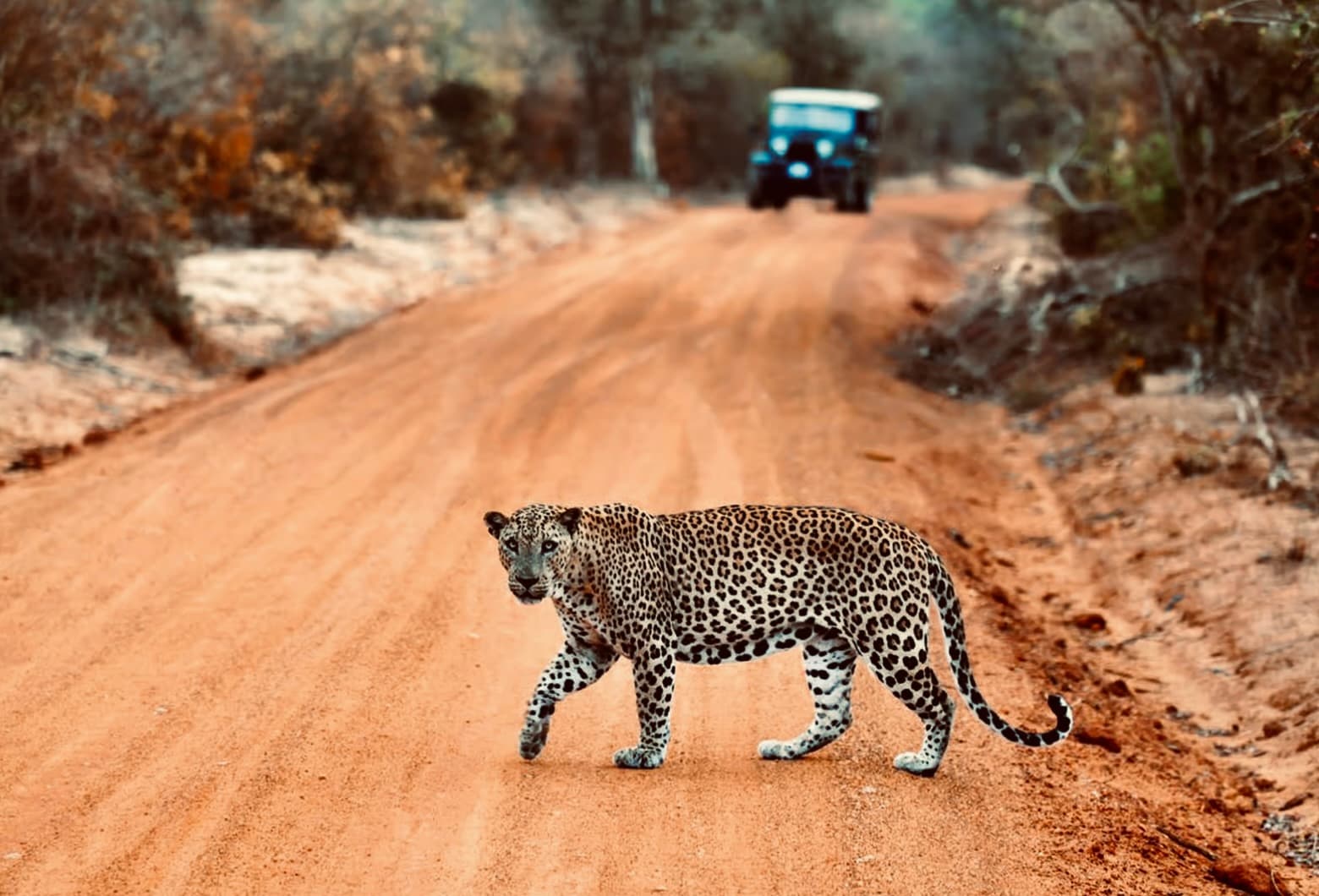
Yala National Park stands apart from every other wildlife sanctuary in Sri Lanka — and indeed in all of Asia — through one extraordinary characteristic: the highest density of wild leopards on Earth. Located in Sri Lanka's Southern Province approximately 300 kilometers from Colombo, this 97,880-hectare wilderness encompasses scrub jungle, rocky outcrops, coastal lagoons, and open grasslands across two distinct safari zones — Block 1 and Block 5/6. While leopard sightings are highly likely throughout much of the year, understanding the best time to visit Yala National Park helps you optimize your experience based on specific priorities — whether that is leopard encounter probability, photography conditions, weather comfort, birdwatching diversity, or avoiding peak tourist crowds. This comprehensive seasonal guide explores month-by-month variations in weather patterns, wildlife behavior, visitor numbers, and safari conditions across Block 1 and Block 5/6, helping you select the perfect timing for your Yala adventure.
Why Yala Offers Extraordinary Wildlife Encounters Year-Round
Unlike many wildlife parks where animal sightings fluctuate dramatically between seasons, Yala National Park delivers consistently exceptional wildlife viewing throughout the year. This remarkable reliability stems from Yala's unique combination of permanent water sources, diverse habitats, and a resident wildlife population that has adapted to the park's landscape across generations.
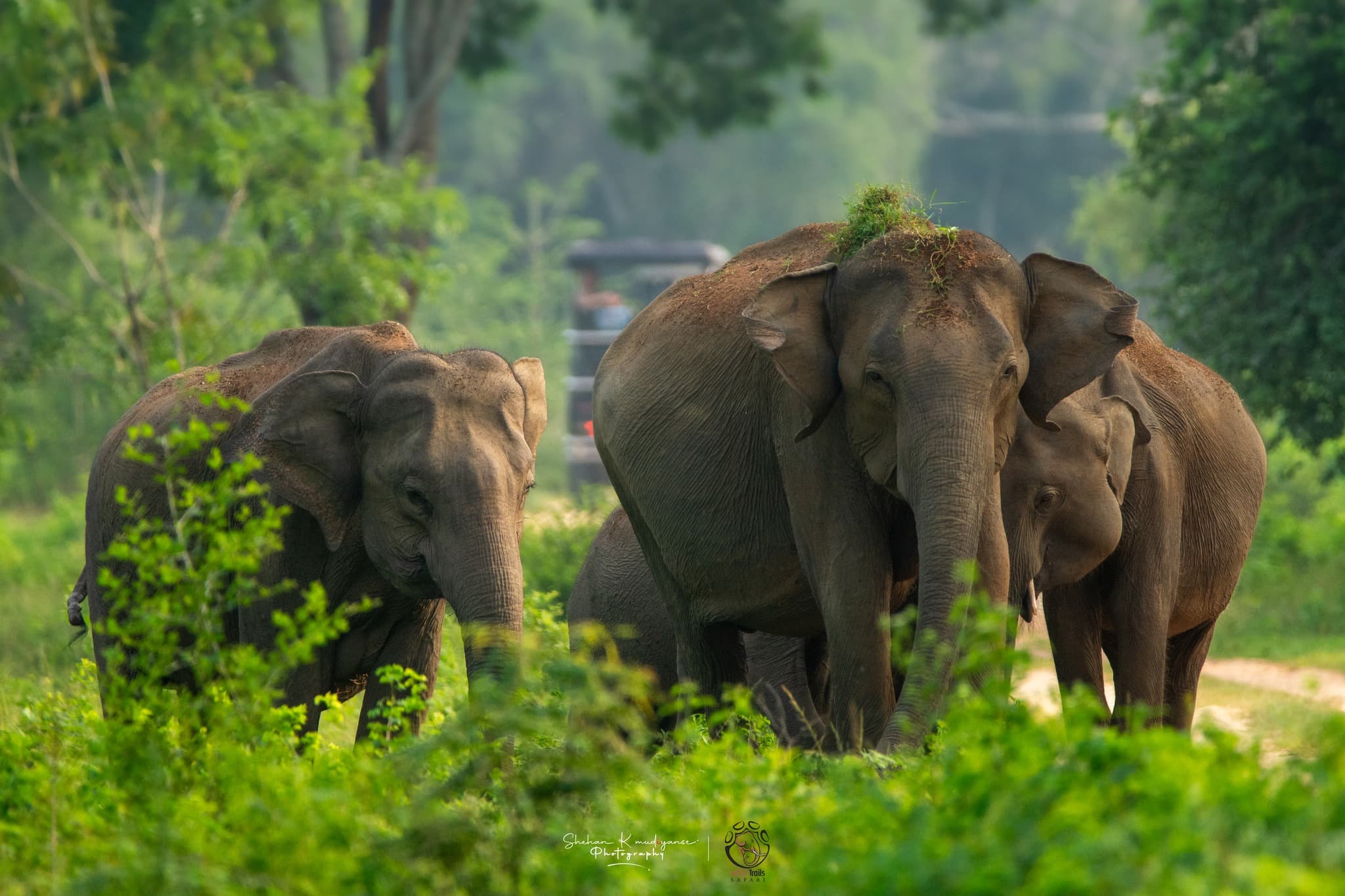
The Menik River flowing through Block 1 maintains water year-round, ensuring leopards, elephants, and crocodiles never need to venture outside the park regardless of seasonal rainfall. The Palatupana Lagoon at the park's coastal boundary provides a permanent wetland habitat attracting hundreds of bird species throughout every season, with particularly spectacular concentrations during the migratory months. Rocky outcrops scattered across Block 1 serve as permanent leopard resting and territorial marking sites that experienced naturalist guides monitor consistently for sightings.

Block 1 and Block 5/6 offer two distinct experiences that complement each other across the seasons. Block 1 is Yala's most wildlife-dense zone, with open terrain and coastal lagoons creating superior visibility for leopard, elephant, and crocodile encounters. Block 5/6 is a quieter, less-visited wilderness with different habitat characteristics — denser scrub jungle, fewer jeep tracks, and a more exclusive atmosphere that appeals to travelers seeking an alternative to Block 1's busier game drives. Understanding how each block behaves across different seasons helps you choose which to prioritize on your visit.
Weather variations between seasons affect visitor comfort and photography conditions more than wildlife viewing success. Understanding these seasonal differences helps visitors select timing aligned with their priorities. The following sections explore these seasonal variations in detail, helping you identify the best time to visit Yala National Park based on your specific interests.
Yala's Climate and Seasonal Patterns
Yala National Park experiences Sri Lanka's dry zone climate in a coastal setting, characterized by distinct wet and dry seasons that influence weather conditions, vegetation appearance, and certain aspects of wildlife behavior. The park's proximity to the Indian Ocean moderates temperatures compared to inland dry zone areas.
Dry Season: February to July
The dry season represents peak safari conditions for most visitors, offering consistently sunny weather, minimal rainfall, sparse vegetation for maximum visibility, and optimal leopard tracking conditions inside Block 1. During these months the northeast monsoon has passed and the southwest monsoon has not yet reached Yala's coastal location, creating extended periods of clear, sunny weather ideal for safari activities.
Weather characteristics during the dry season include daytime temperatures ranging from 28°C to 34°C (82°F to 93°F), virtually no rainfall for weeks at a time, relatively low humidity compared to the wet season, and brilliant clear skies with minimal cloud cover. The sea breeze from the Indian Ocean moderates Yala's temperatures compared to inland dry zone areas, making even the driest months more bearable than parks further from the coast.
Vegetation appearance transforms dramatically during the dry season as grasses turn golden-brown, trees shed leaves to conserve water, and the overall landscape takes on earth-toned hues throughout Block 1. This drying landscape creates classic safari aesthetics — golden scrublands, dramatic rocky outcrops, and leopards standing out clearly against simpler backgrounds. The sparse vegetation is the single most important factor in leopard visibility: dry season Block 1 safaris regularly produce sightings that would be impossible during the dense wet season growth.

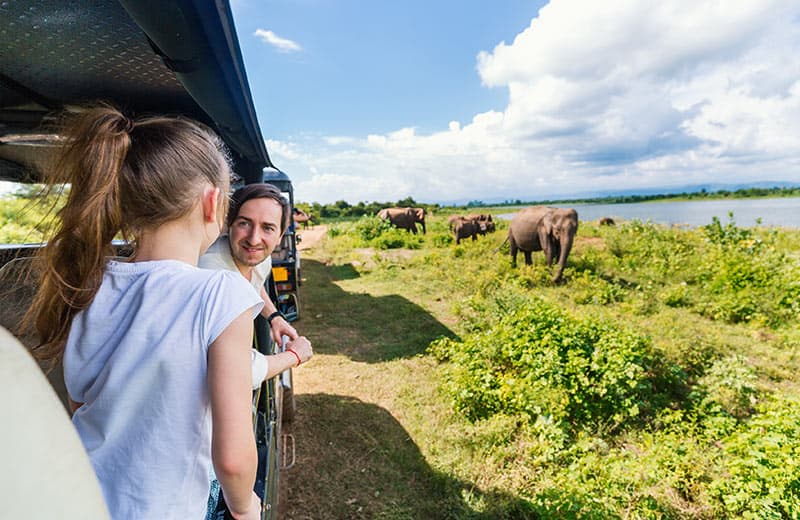
Wildlife behavior during dry months concentrates animals around the Menik River and permanent lagoons as peripheral water sources dry up. Leopards increase their movement and visibility as they patrol contracting territories and hunt more actively in the open. Elephants spend more time near water sources, creating predictable viewing patterns. Mugger crocodiles bask extensively on exposed mudbanks, and the reduced vegetation makes every species significantly easier to spot from a jeep.
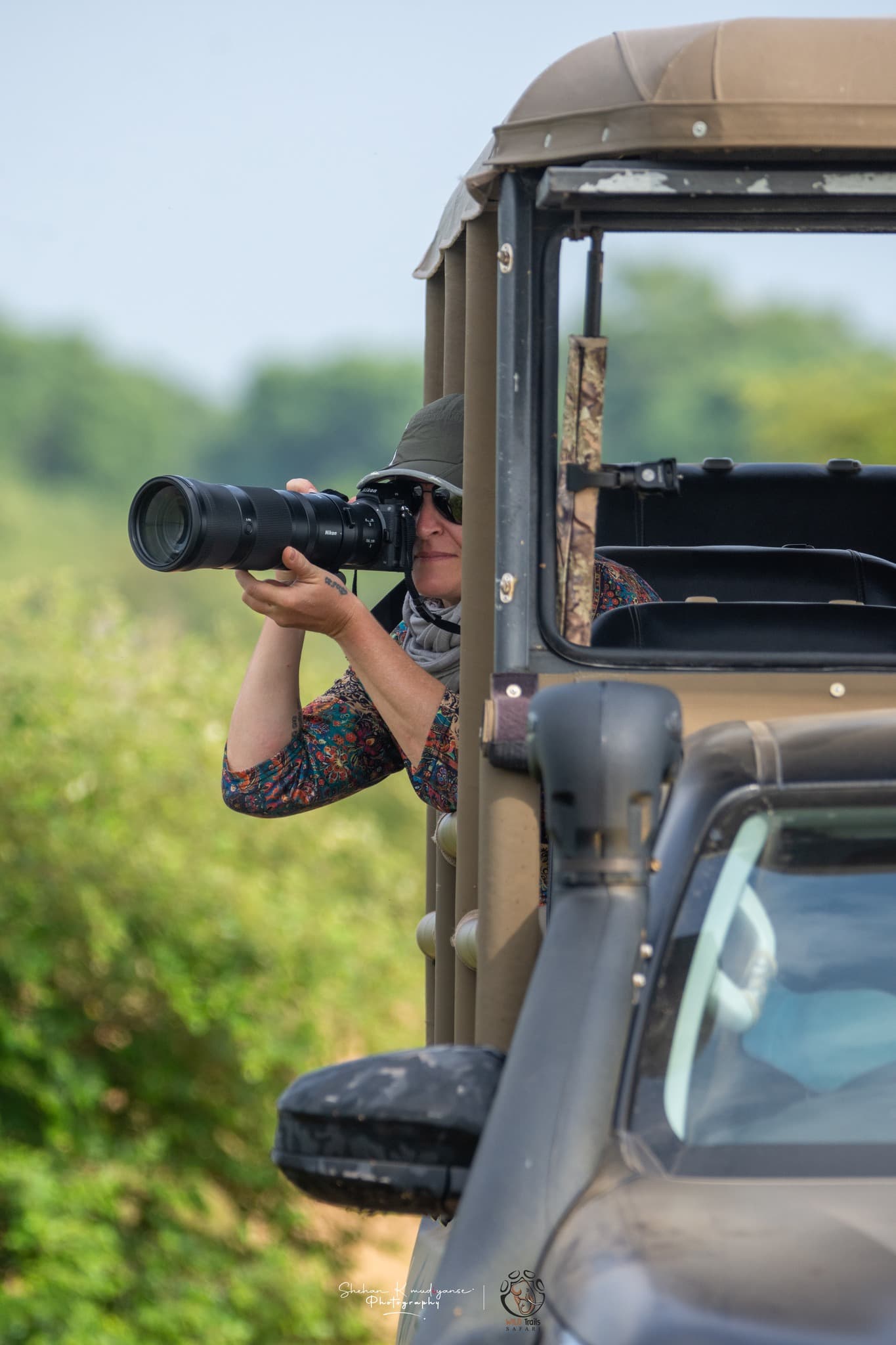
Photography advantages during the dry season include consistently good lighting conditions without rain interruptions, clear atmospheric conditions for sharp telephoto shots, dramatic shadows from the sun adding depth to images, and the golden scrubland backdrop creating warm earthy tones. The dry season's reliable weather allows photographers to plan around golden hour lighting without worrying about sudden rain.
Wet Season: August to January
The wet season brings intermittent rainfall that transforms Yala's landscape, though wildlife viewing remains excellent throughout. The southwest monsoon affects the park during August through October, while the northeast monsoon brings rain from November through January. Unlike coastal areas that may experience persistent heavy rain, Yala typically receives afternoon thundershowers that clear quickly, rarely disrupting entire safari days.
Weather patterns during wet season months include afternoon thunderstorms several days per week, morning hours that often remain clear and sunny, temperatures cooling slightly to 26°C to 31°C (79°F to 88°F), increased humidity especially before rainfall, and dramatic cloud formations creating atmospheric skies over Yala's coastal landscape.
Vegetation transformation occurs rapidly once rains begin. Scrub jungle in Block 1 densens considerably, grass grows tall, and visibility across open areas reduces. This reduced visibility is the primary challenge for leopard sightings during the wet season. However, Block 5/6 responds beautifully to the rains with lush green wilderness that looks dramatically different from the dry season's sparse landscape. The Palatupana Lagoon fills to higher levels, expanding wetland habitat and attracting extraordinary numbers of migratory birds.

Leopard behavior during wet months becomes more secretive as dense vegetation provides cover. Sightings remain possible but require more patience and expertise from guides. Experienced naturalist guides who know individual leopard territories can still produce excellent sightings, but the probability is lower than during the dry season. This is when Block 5/6 becomes particularly appealing — its different terrain maintains reasonable visibility even during wet months.
Birdwatching peaks during wet season months, particularly November through February when migratory species from northern regions join Yala's resident birds. Lesser flamingos gather at Palatupana Lagoon in spectacular numbers, painted storks wade through the shallows, and the overall species diversity reaches its annual maximum.
Month-by-Month Guide: Best Time to Visit Yala
January: Good Wildlife Viewing with Declining Rainfall
Weather: January sits in the inter-monsoonal period with decreasing rainfall from November-December. Expect mostly sunny days with occasional brief afternoon showers, comfortable temperatures around 27°C to 31°C (81°F to 88°F), and moderate humidity. The landscape retains significant green from recent monsoon rains while beginning the gradual transition toward drier conditions.
Wildlife Viewing: Leopard sightings are possible but vegetation remains relatively dense from the wet season. Patient, experienced naturalist guides can produce excellent encounters, particularly around rocky outcrops and waterholes where leopards drink in the early morning. Elephant herds are active and visible, and bird diversity at Palatupana Lagoon reaches peak levels with migratory species still present.
Block Comparison: Block 1 begins improving as vegetation starts thinning. Block 5/6 remains lush and green, offering a beautiful wilderness experience with good wildlife activity.
Photography Notes: Good conditions with softer wet season light producing rich saturated colors. Palatupana Lagoon photography is outstanding with flamingos and migratory waterfowl against the dramatic lagoon backdrop.

February: Dry Season Begins — Leopard Probability Rising
Weather: February marks the beginning of the dry season transition with rainfall becoming increasingly rare. Expect predominantly sunny days, rising temperatures from 28°C to 32°C (82°F to 90°F), very low humidity, and minimal cloud cover. The landscape begins showing signs of drying as grasses start turning from green to golden-brown.
Wildlife Viewing: Leopard sightings improve significantly as vegetation thins and animals concentrate around water sources. February is considered the start of prime leopard season, with Block 1 guide teams beginning to relocate known individuals reliably around the Menik River and key rocky territories. Elephant herds are active and increasingly visible. The combination of still-reasonable bird diversity and improving leopard probability makes February one of the year's best all-round visiting months.
Block Comparison: Block 1 becomes increasingly productive for leopard sightings as the dry season establishes. Block 5/6 remains verdant but wildlife movement becomes more predictable around water sources.
Photography Notes: Outstanding conditions with consistently clear skies, warm golden light, and improving wildlife subjects. The transitioning landscape offers mixed green and golden tones appealing to photographers seeking variety.
March: Peak Leopard Season Begins in Block 1
Weather: March intensifies the dry season with some of the year's hottest temperatures. Daytime highs frequently reach 33°C to 36°C (91°F to 97°F), rainfall becomes virtually nonexistent, humidity drops to annual lows, and the sun beats down intensely during midday hours.
Wildlife Viewing: Excellent leopard concentrations in Block 1 as the dry conditions concentrate wildlife around permanent water sources. The thinning vegetation creates prime visibility conditions, and experienced naturalist guides can locate known leopard individuals reliably. Multiple leopard sightings in a single morning safari become increasingly common during March. Elephant herds gather at the Menik River, and mugger crocodile sightings increase as they bask extensively on exposed mudbanks.
Block Comparison: Block 1 is operating at near-peak conditions for leopard encounters. Block 5/6 offers a quieter but equally productive alternative for travelers wanting to avoid any crowds.
Photography Notes: Excellent golden hour photography with warm light illuminating leopards against golden scrubland. Midday harsh light is challenging but early morning conditions are superb. Bring extra lens cloths as dust levels increase on Block 1 safari tracks.

April: Prime Leopard Month — Peak Wildlife Concentrations
Weather: April continues the intense dry season with consistently hot, sunny conditions. Temperatures remain at 32°C to 36°C (90°F to 97°F), rainfall is virtually absent, and the landscape reaches its driest state. The combination of heat and sparse vegetation creates challenging conditions for visitors but spectacular wildlife encounters.
Wildlife Viewing: April is widely considered Yala's single best month for leopard sightings. The severely contracted water sources force maximum wildlife concentration around the Menik River and remaining permanent pools in Block 1. Leopards are highly visible as vegetation reaches its annual minimum. Multiple leopard sightings in a single safari are common with experienced naturalist guides. Elephant herds, crocodiles, sloth bears, and other species all concentrate predictably around water, creating extraordinary multi-species encounters.
Block Comparison: Block 1 is at absolute peak conditions. Block 5/6 also delivers excellent sightings with the advantage of significantly fewer jeeps.
Photography Notes: The pinnacle of Yala wildlife photography. The sparse vegetation, reliable leopard sightings, and warm golden light create world-class photography conditions. Early morning departures are essential — conditions deteriorate quickly once the intense midday heat builds.
May: Peak Season Continues — Best Leopard Tracking Conditions
Weather: May continues the dry season with consistently excellent conditions. Temperatures begin moderating slightly toward month end as seasonal transitions approach, but rain remains rare. May combines the peak wildlife concentration of April with slightly more comfortable temperatures, making it arguably the most balanced month of the year for Yala safaris.
Wildlife Viewing: Outstanding leopard encounters continue throughout May. Wildlife remains concentrated around water sources and vegetation stays sparse enough for maximum visibility. Experienced Yala naturalist guides consider May one of their most reliable months for producing leopard sightings for guests. The combination of high encounter probability and more manageable temperatures than April makes May the overall top recommendation for first-time Yala visitors.
Visitor Experience: May sees moderate tourist numbers as it falls into the transitional period between peak and off-season. This creates an excellent balance — prime wildlife conditions without February's tourist pressure. Same-week safari bookings often succeed, though advance reservation remains advisable for preferred time slots.

June to July: Dry Season Peak with Outstanding Conditions
Weather: June and July represent Yala's most reliable dry season period. The southwest monsoon brings heavy rain to southwestern Sri Lanka but largely bypasses Yala's location. Expect consistently sunny days, very rare rainfall, temperatures around 28°C to 33°C (82°F to 91°F), and stable, predictable conditions day after day.
Wildlife Viewing: Outstanding leopard viewing with resident individuals reliably located across Block 1. While not at the absolute peak concentration of April-May (some rain in earlier months provided some water in forest areas), leopards remain easily encountered on well-guided morning safaris. The open terrain and sparse vegetation ensure maximum visibility across both blocks.
Visitor Experience: Moderate tourist numbers during these months with a reliable mix of international and domestic visitors. The consistent weather and high leopard probability make June-July excellent for first-time visitors who want assured wildlife encounters. Safari bookings should be made one to two weeks in advance.
Photography Notes: Ideal conditions with consistent lighting, clear atmosphere allowing sharp telephoto work across Yala's open scrubland, and predictable weather enabling planning around optimal golden hour timing.
August: Wet Season Begins — Green Landscape Returns
Weather: August marks the beginning of the wet season as the southwest monsoon reaches Yala. Afternoon thunderstorms develop two to four days per week, temperatures moderate to 27°C to 31°C (81°F to 88°F), humidity rises, and the landscape begins its rapid transformation from brown to green.
Wildlife Viewing: Leopard sightings remain possible but encounter probability decreases as vegetation begins recovering. Experienced naturalist guides who know specific leopard territories can still produce excellent sightings, but the window of peak dry season visibility is closing. August is a transitional month — good leopard probability early in the month declining toward month end. Block 5/6 becomes increasingly appealing as its terrain handles the wet season better than parts of Block 1.
Photography Notes: Variable weather creates both challenges and dramatic opportunities. Storm clouds produce atmospheric conditions and moody lighting. Bring weather protection for camera equipment. The landscape's transformation from golden brown to vibrant green creates unique transitional aesthetics.

September to October: Wet Season — Block 5/6 Shines
Weather: September and October experience established wet season conditions with regular afternoon rainfall, temperatures around 26°C to 30°C (79°F to 86°F), higher humidity, and frequently dramatic skies. Morning hours often remain clear, making early safari departures the most reliable strategy.
Wildlife Viewing: Leopard sightings are possible but require more patience and expertise from guides as vegetation is at its densest. Block 5/6 becomes the standout choice during these months — its terrain and habitat characteristics maintain reasonable wildlife visibility even during the wet season, and the near-absence of other jeeps creates an exclusive wilderness experience. Elephant herds are widely distributed and actively feeding on fresh vegetation. Bird diversity begins increasing rapidly as early migratory species arrive at Palatupana Lagoon.
Visitor Experience: Very low tourist numbers create an exclusive, uncrowded safari experience in both blocks. Last-minute bookings succeed easily. Accommodations are widely available at favorable rates. The reduced visitor density means wildlife encounters feel deeply personal and unhurried.
Photography Notes: The lush green landscape of Yala's scrub jungle creates beautiful vibrant backgrounds. Storm clouds and dramatic skies offer creative atmospheric opportunities. Wet season light is softer and more diffused, sometimes producing more flattering results than harsh dry season sun.
November to December: Peak Birdwatching and Migratory Season
Weather: November and December experience the northeast monsoon with regular rainfall, temperatures around 26°C to 30°C (79°F to 86°F), high humidity, and frequently cloudy conditions. Most storms are intense but brief afternoon thundershowers.
Wildlife Viewing: Leopard sightings continue at reduced probability compared to dry season months, but patient experienced guides still produce encounters. Block 5/6 wilderness is at its most spectacular during these months — the green lush landscape feels dramatically wild and remote. The outstanding development during November-December is the birdwatching at Palatupana Lagoon, where lesser flamingos, painted storks, spoonbills, and hundreds of migratory species gather in numbers that represent some of the finest birdwatching in all of South Asia.
Visitor Experience: Very low tourist numbers except the final week of December when holiday demand spikes. The wet conditions deter some visitors, but those willing to accept occasional afternoon rain are rewarded with exclusive wildlife viewing and the spectacular migratory bird spectacle at Palatupana Lagoon.

Choosing the Best Time Based on Your Priorities
For Maximum Leopard Encounter Probability
Best Months: April, May, and March offer the highest leopard encounter probability inside Block 1. The dry conditions force maximum wildlife concentration around permanent water sources, vegetation is at its annual minimum providing maximum visibility, and experienced naturalist guides can reliably locate known leopard individuals. April and May represent the peak of what Yala naturalists consider prime season.
Alternative Options: February, June, and July provide excellent leopard probability with more comfortable temperatures and reliable weather. These months deliver consistently strong sighting rates without the physical demands of peak dry season heat.
For Optimal Photography Conditions
Best Months: May, June, and July combine ideal weather, comfortable temperatures, sparse vegetation for maximum subject visibility, and excellent leopard probability. March and April also offer exceptional photography conditions for leopards, trading slightly elevated heat for the absolute peak of wildlife visibility.
Creative Alternatives: August and October provide unique transitional landscapes with mixed tones, dramatic cloud formations, and changing light conditions appealing to photographers seeking variety beyond standard dry season imagery.
For Birdwatching at Palatupana Lagoon
Best Months: November through February represent peak birdwatching season when northern migratory species join Yala's resident birds at Palatupana Lagoon. Lesser flamingos, painted storks, spoonbills, crested serpent eagles, and endemic Sri Lankan species create one of South Asia's finest birding experiences. Serious birdwatchers should specifically target these wet season months.

For Exclusive Block 5/6 Wilderness Experience
Best Months: September through November see Block 5/6 at its most spectacular. The wet season transforms this quieter zone into a lush green wilderness with remarkable atmosphere. Combined with very low visitor numbers, a Block 5/6 safari during these months offers a genuinely exclusive encounter with Yala's wildlife in a setting that feels completely wild and unhurried.
For Comfortable Weather and Fewer Crowds
Best Months: May through June and September through October provide the sweet spot of good weather, excellent wildlife viewing, and minimal tourist congestion. These shoulder months maximize comfort while maintaining strong wildlife encounter rates.
For First-Time Safari Visitors
Best Months: May, June, and July offer the most predictable, comfortable, and reliable introduction to Yala. The consistent weather eliminates rain interruptions, leopard sighting probability is high, temperatures are manageable, and the safari experience matches expectations of a classic African-style game drive. February and March also work excellently for first-time visitors who want guaranteed active wildlife conditions.
Block 1 vs Block 5/6: Seasonal Considerations
Understanding how the two safari zones perform across different seasons helps you choose the right block for your visit timing.
Block 1 is at its absolute best during the dry season (February to July). The open terrain, sparse vegetation, permanent water sources, and dense leopard population combine to create the most reliable leopard tracking conditions anywhere in Asia. If your primary goal is leopard encounters and you are visiting during these months, Block 1 is the clear choice.
Block 5/6 offers a compelling alternative throughout the year but particularly shines during the wet season months (August to January). The different terrain and habitat characteristics of Block 5/6 maintain reasonable wildlife visibility even when Block 1's vegetation becomes dense. The near-complete absence of other jeeps in Block 5/6 creates an exclusive wilderness atmosphere that many serious wildlife travelers prefer, regardless of season.
The full day safari covering both blocks is the optimal choice for travelers who want to experience Yala comprehensively, particularly during the transition months of February and August when each block has distinct advantages.

Practical Considerations for Each Season
Dry Season Practical Tips (February to July)
What to Pack: Lightweight breathable clothing in neutral colors, wide-brimmed hat and quality sunglasses, high-SPF sunscreen applied generously and frequently, at least one to two liters of water per person per safari, camera lens cloths for dust, and a bandana for dusty Block 1 tracks. Protect camera equipment from the fine red dust prevalent on Block 1 game tracks during dry season.
Safari Timing: Morning safaris are strongly preferable during the hottest months (March to May). Enter Block 1 at 6:00 AM when the Palatupana gate opens to maximize time during cooler conditions and peak leopard activity. Afternoon safaris work better during the cooler dry season months of June to July when late afternoon temperatures remain tolerable.
Booking Advice: Book one to two weeks in advance during June to July when visitor numbers peak. May and February bookings can often be made with shorter notice. Specify Block 1 if leopard encounters are your primary goal, or request Block 5/6 if you prefer a quieter experience.
Wet Season Practical Tips (August to January)
What to Pack: Lightweight rain jacket or poncho, waterproof protection for camera gear (dry bags, rain covers), quick-dry clothing, sealed waterproof bag for electronics and documents, and insect repellent as mosquito activity increases modestly during wet months.
Weather Strategy: Morning safaris experience better weather reliability as storms typically develop in afternoons. However, brief morning showers do occur. Do not let fear of rain deter visits entirely — wet season storms are brief, wildlife viewing continues during light rain, and the dramatically reduced tourist numbers often outweigh minor rain inconveniences.
Block Strategy: Consider prioritizing Block 5/6 during wet season months when its terrain maintains better visibility than parts of Block 1 during peak vegetation growth. The full day safari covering both blocks remains the best option for maximizing encounter variety regardless of season.

Combining Yala with Seasonal Activities and Other Destinations
South Coast Beach Destinations
Best Combination Timing: November through April represents ideal beach weather along Sri Lanka's south coast at Mirissa, Tangalle, Hiriketiya, and Unawatuna. These months coincide with Yala's wet season, but the park receives concentrated afternoon rain rather than all-day storms, and wildlife viewing remains excellent. The two-hour drive between Yala's Palatupana entrance and Mirissa makes this combination logistically ideal.
Whale Watching at Mirissa: November through April is peak whale watching season off Mirissa. This perfectly aligns with combining marine and terrestrial wildlife experiences in a single southern Sri Lanka itinerary — blue whales in the morning and leopard safaris in the afternoon.
Hill Country (Ella, Nuwara Eliya)
Many visitors route: Colombo — Hill Country — Yala — South Coast, creating a geographically logical circular itinerary. Yala fits naturally at the end of this route before returning along the coast.
Cultural Triangle (Sigiriya, Polonnaruwa)
February through July provide generally good weather throughout the Cultural Triangle, making these months ideal for combining Yala's prime leopard season with historical site visits. Many visitors create ten-day itineraries covering Sigiriya, the Cultural Triangle, and Yala during this period.
Month-by-Month Summary: Quick Reference Guide
Peak Leopard Probability: April, May, March Best Photography Conditions: May, June, July, April Most Comfortable Weather: May, June, July, February Peak Birdwatching: November, December, January, February Best Block 5/6 Conditions: September, October, November Fewest Crowds: September, October, May, November Best Value: May, September, October, November Wettest Months: October, November, December Hottest Months: March, April Best for First-Time Visitors: May, June, July Most Balanced Overall: May, February, June
Final Thoughts: When to Visit Yala National Park
While this guide explores seasonal variations in detail, the most important truth about Yala National Park is that no month is genuinely a bad time to visit. The seasonal variations affect leopard encounter probability, photography conditions, landscape aesthetics, and visitor crowds more than the fundamental question of whether you will see remarkable wildlife.
If your schedule restricts you to wet season months, you will still see leopards with experienced naturalist guides, experience extraordinary birdwatching at Palatupana Lagoon, and enjoy an exclusive, uncrowded safari atmosphere in Block 5/6. If you can choose freely, May through July combines the highest leopard encounter probability with comfortable temperatures and reliable weather — making these months our top recommendation for most visitors.
The best time to visit Yala National Park ultimately depends on your priorities. Value leopard encounters above all else — come in April or May. Value comfortable conditions and reliable weather — come in June or July. Value exclusive birdwatching and green landscapes — come in November or December. Value complete solitude in wild Block 5/6 wilderness — come in September or October.
Whatever month you choose, book your safari with experienced naturalist guides who know Yala's leopard territories across both Block 1 and Block 5/6. The difference between a knowledgeable guide and an inexperienced driver is the difference between multiple leopard sightings and returning home without seeing one. Yala's leopards await — remarkable, wild, and extraordinary at any time of year.